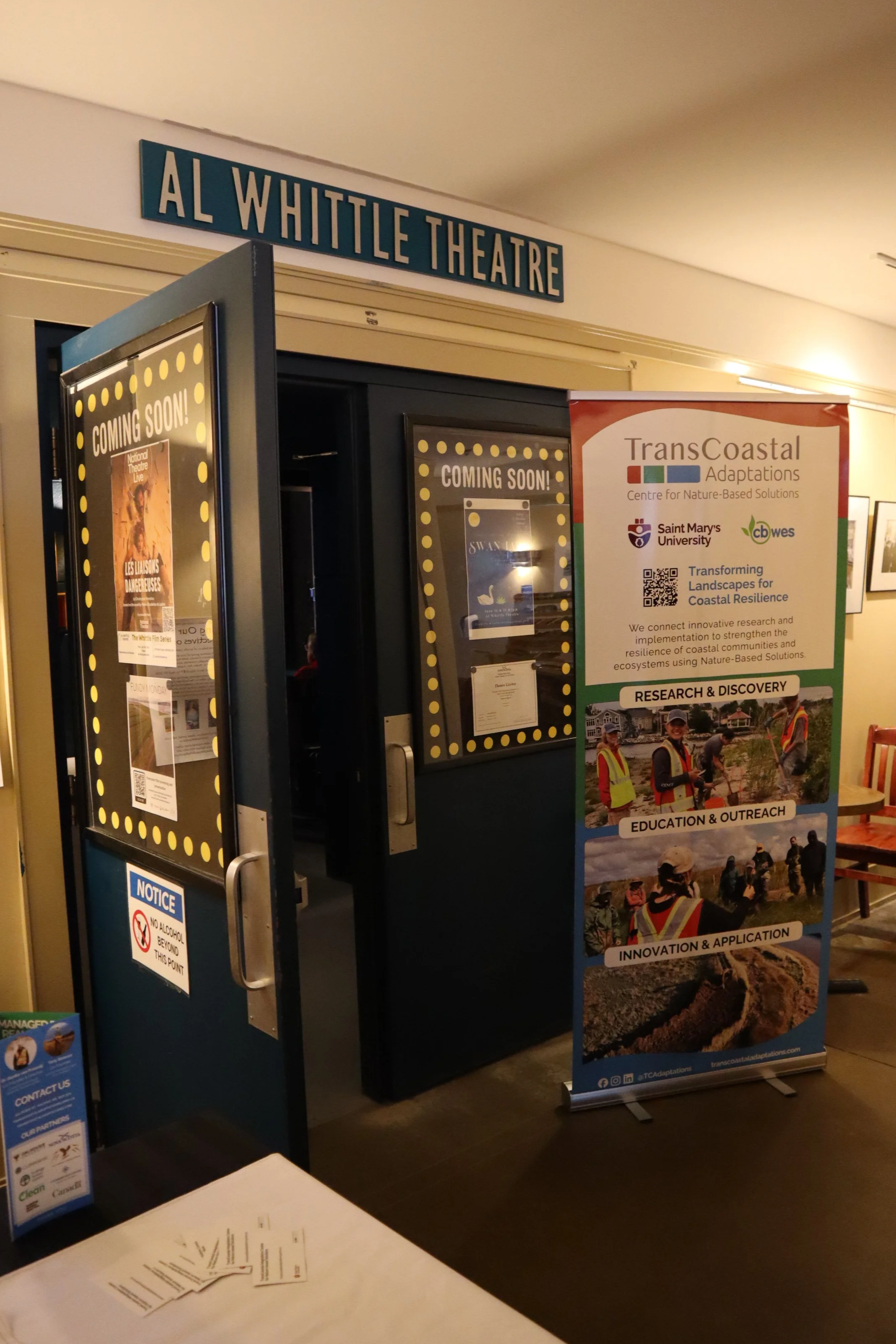
The Bay of Fundy's dykelands symbolize the Annapolis Valley's agricultural heritage. On June 1, TransCoastal Adaptations celebrated the release of a new documentary that offers a balanced look at building climate‑resilient dykelands.
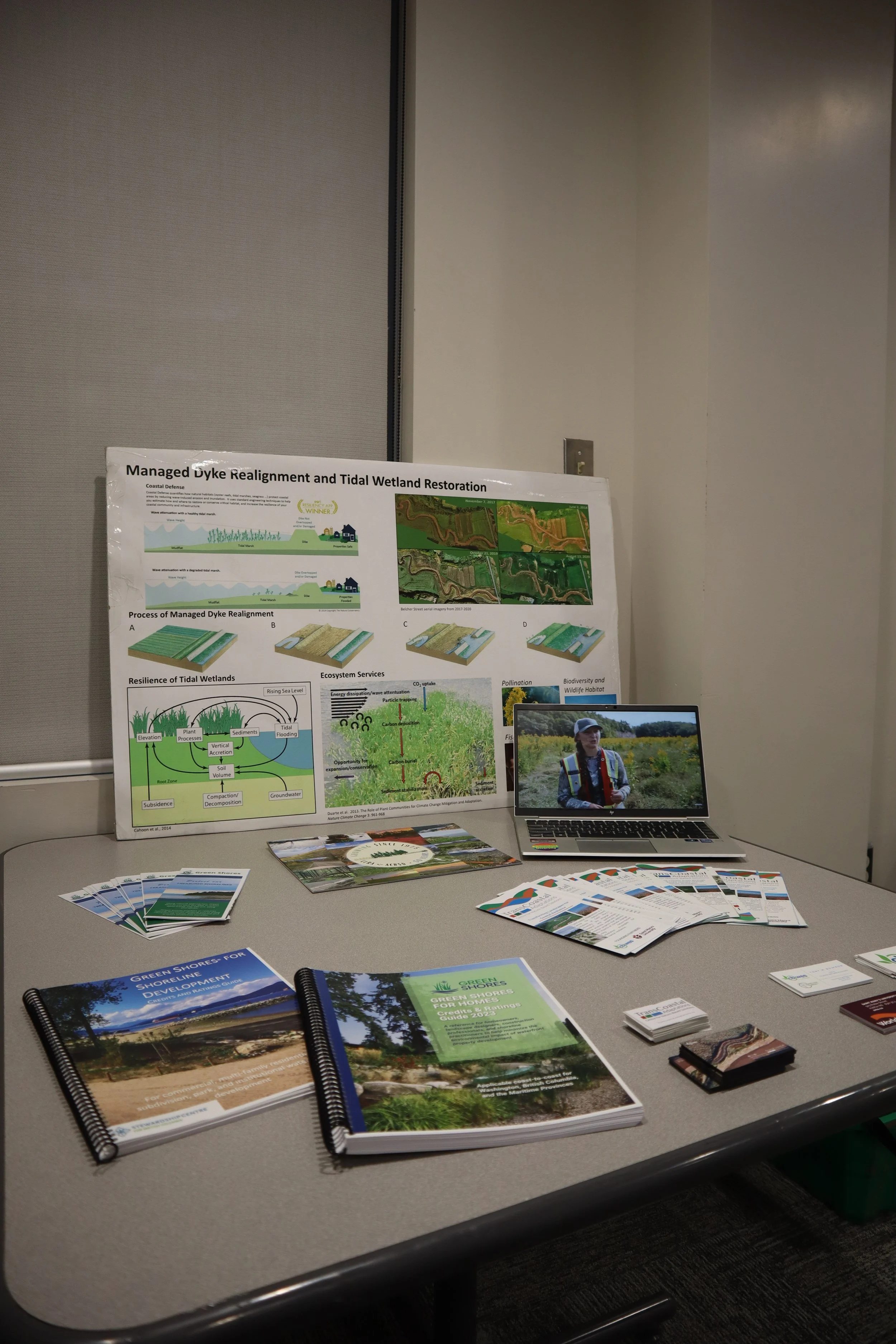
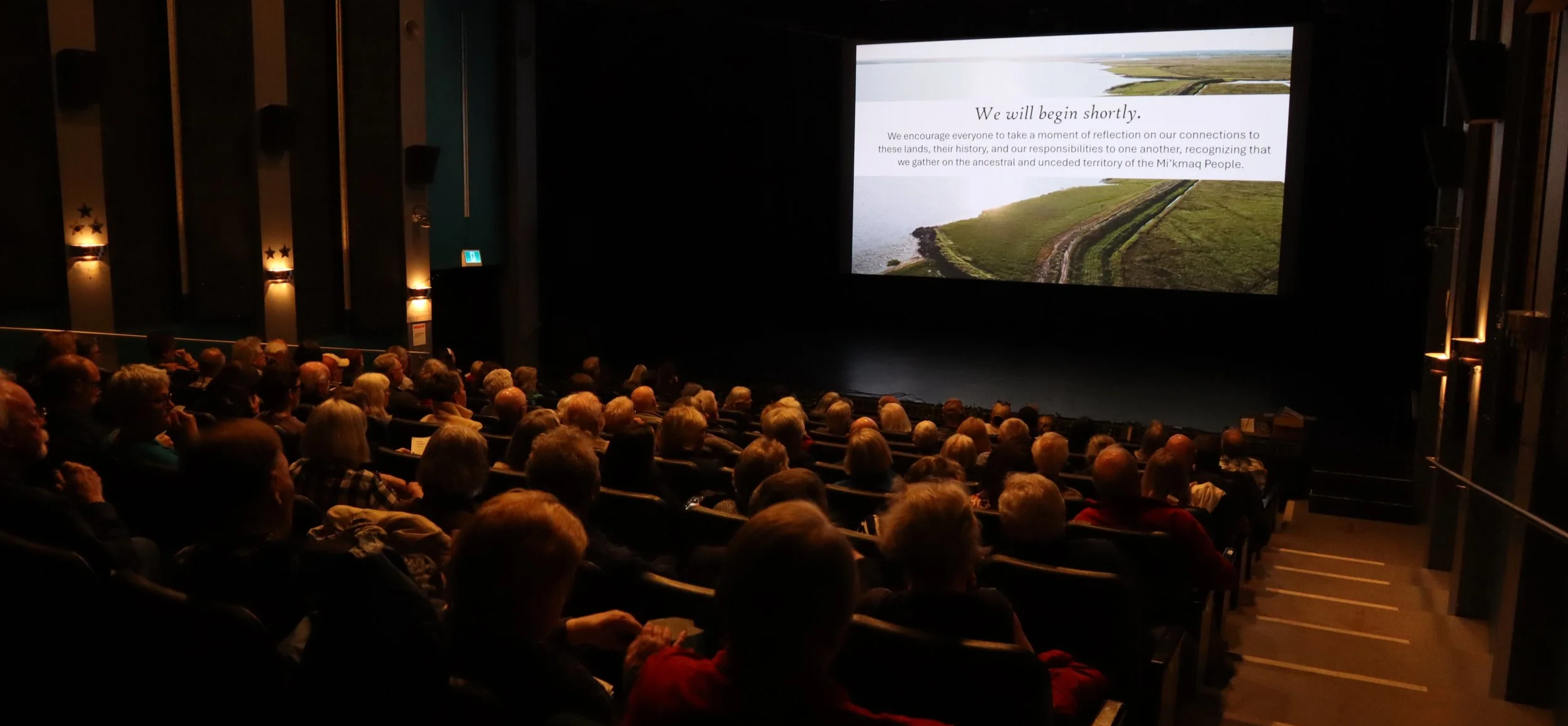
The documentary was the featured film for the Annapolis Valley Apple Blossom Festival in Wolfville, Nova Scotia. The event, Fundy Monday: A Tale of Two Landscapes, screened the documentary followed by a conversation with practitioners and researchers who have been working on dykeland futures in the region.
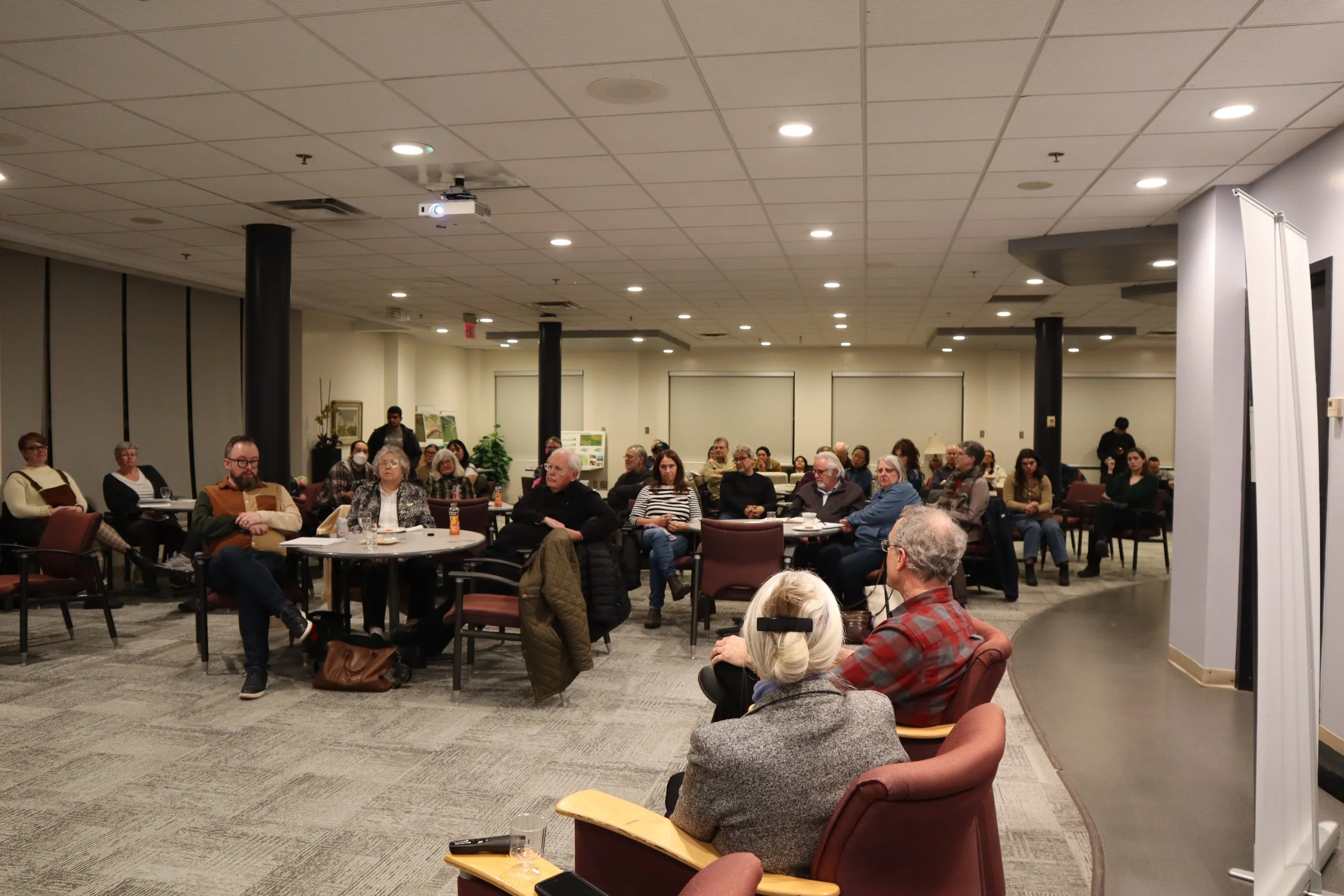
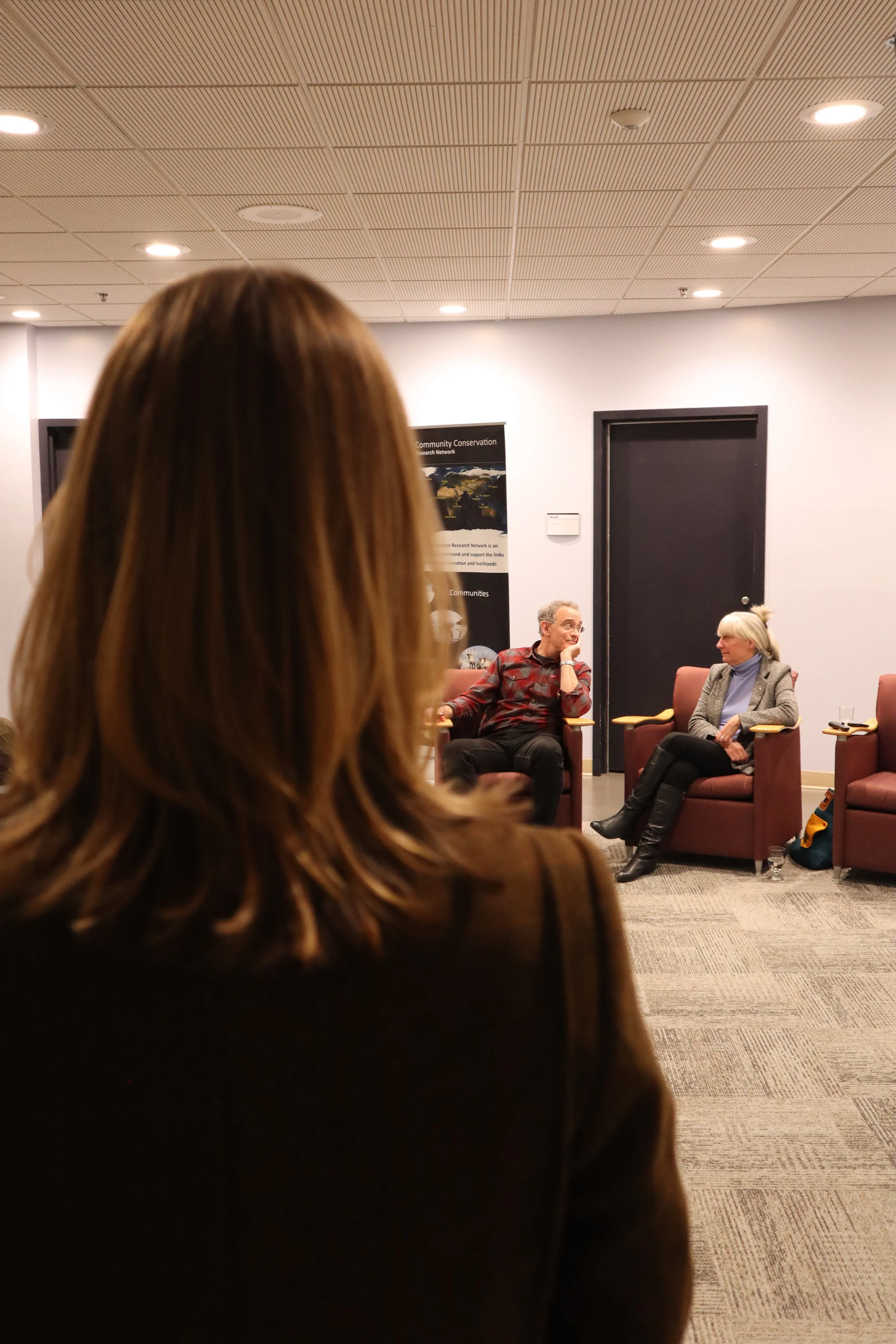
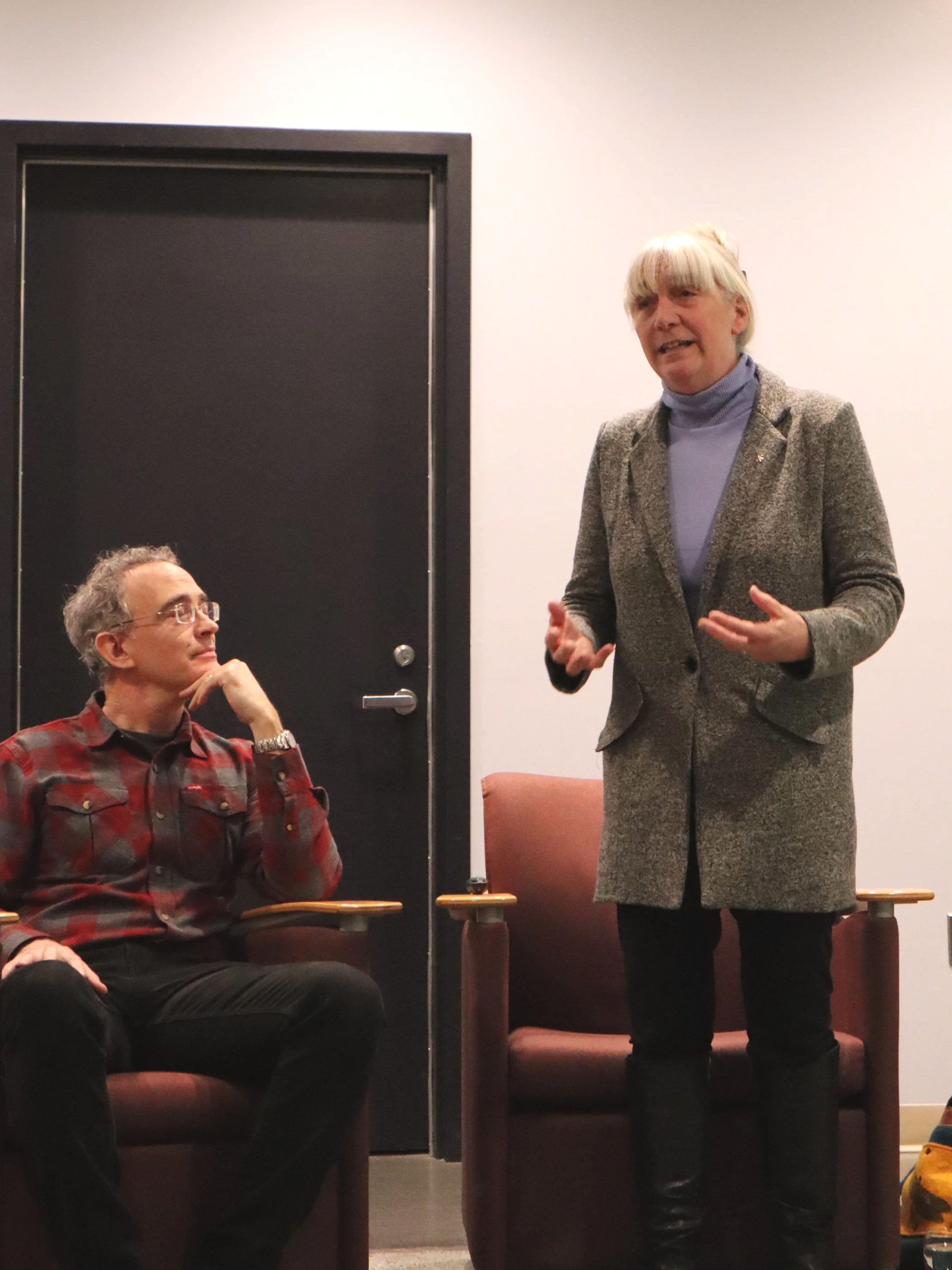
The sold-out event included a panel discussion (from left to right) with Dr. Elena Bennett, Tony Bowron, Dr. Danika van Proosdij, Dr. Kate Sherren, and dykeland landowner Don Webster.
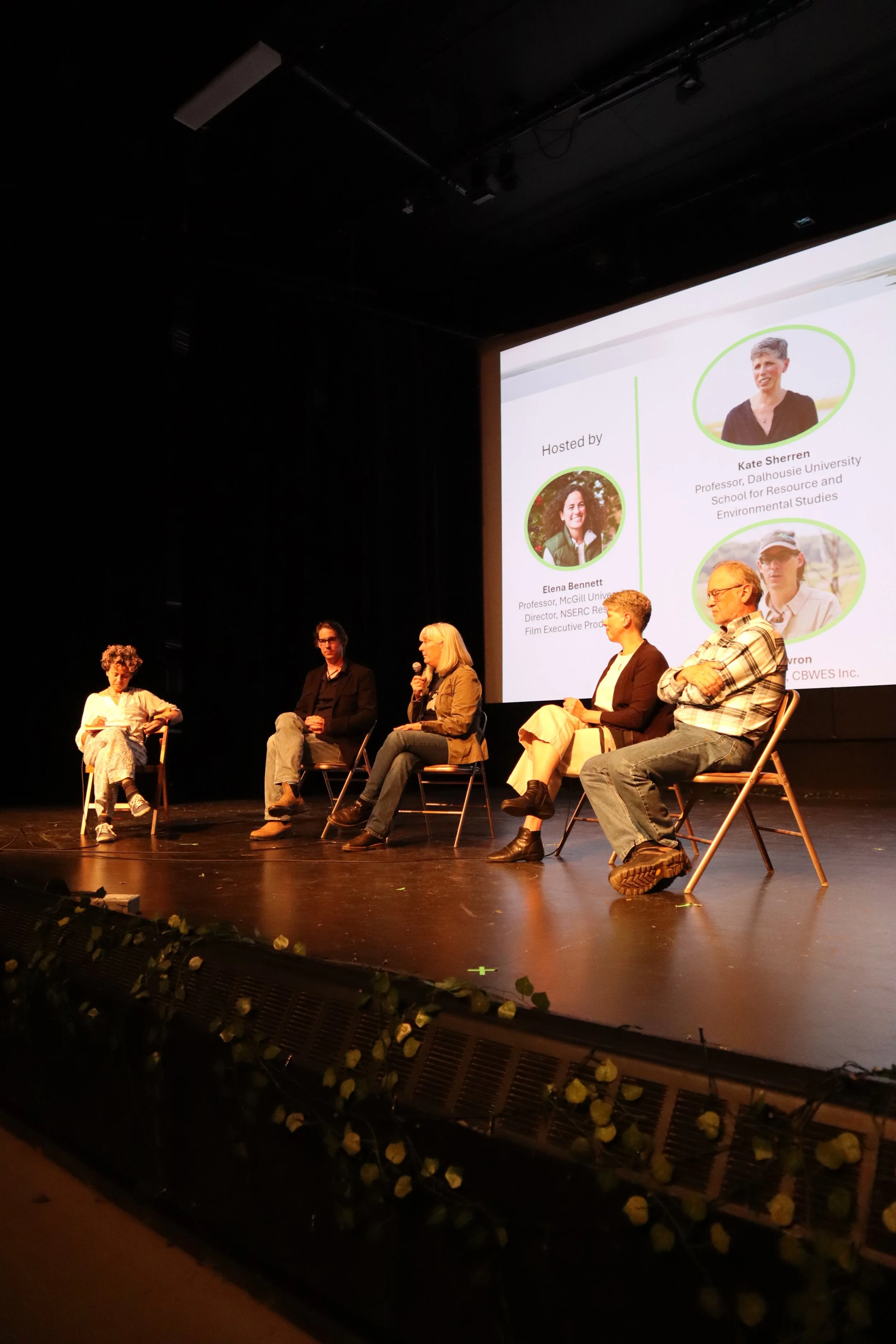
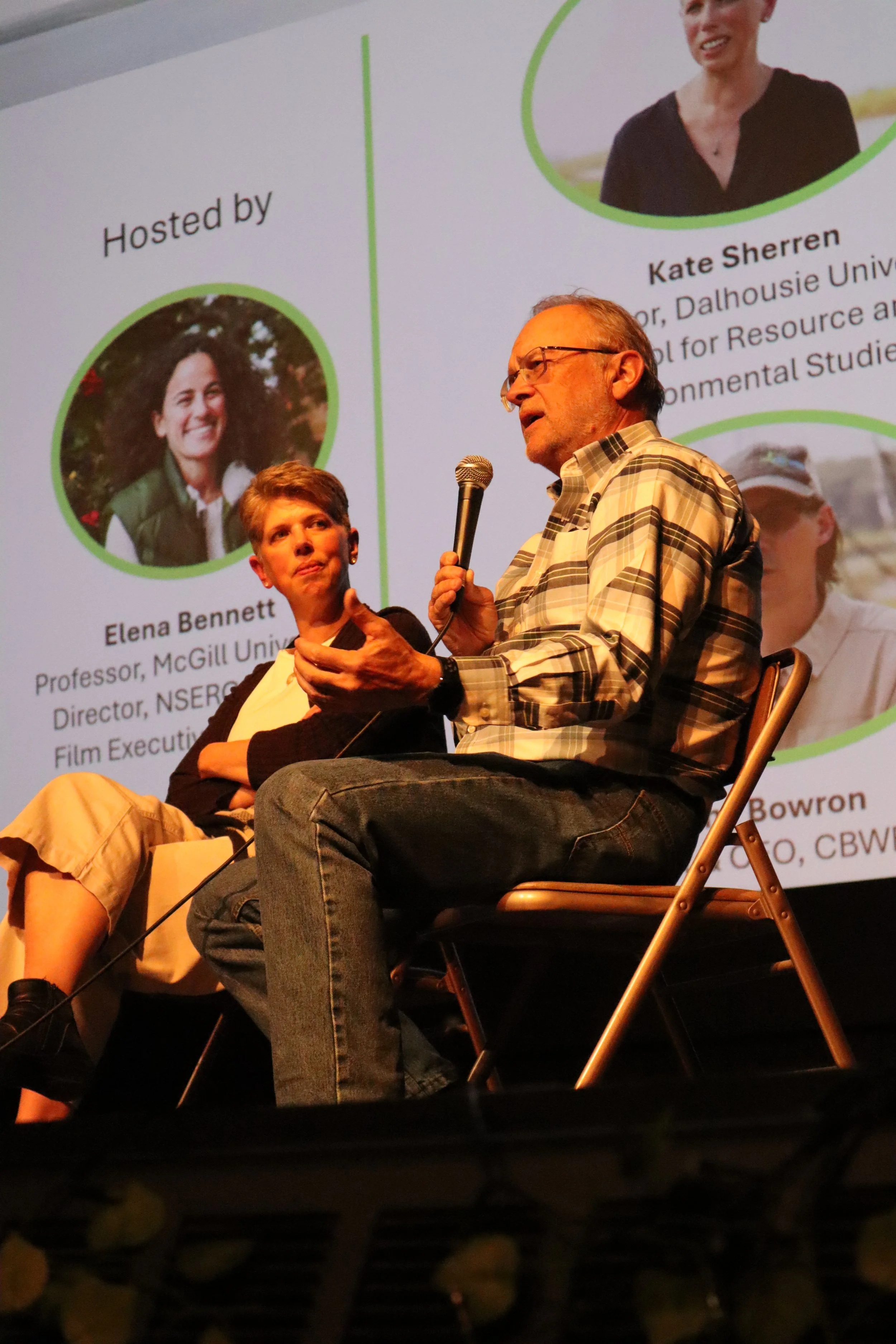
We joined the Wolfville community in celebrating these remarkable landscapes while offering fresh perspectives on what we know about them in the face of 21st-century challenges. The event sold out and the theatre packed. Attendees asked intricate questions about how wetland restoration. The screening demonstrated the Wolfville’s community active engagement in the future of the dykelands.
The film was screened at the 2026 Atlantic Canada Coastal and Estuarine Science Society Conference and the Connected Resilience: Atlantic Adaptation Conference. The film was part of the NSERC ResNet project and represents six years of collaborative research on dykeland futures.
Watch the full film on YouTube:
The history of agriculture along the Bay of Fundy in Nova Scotia is rich and filled with stories. From the original Mi’kmaw people who have called this region home since time immemorial, to the Acadian colonists who converted salt marshes into viable agricultural land through innovation and hard work, to modern-day Nova Scotian farmers continuing to maintain the land, the Bay of Fundy coastline has provided food and community security for generations. Today these coastal communities face rising sea levels and stronger storm surges caused by global climate change, leading to difficult decisions about how to protect and preserve farmland, wild habitats and the Maritime way of life in a changing world.
Credits:
Executive Producer – Dr. Elena Bennett
Producer, Assistant Editor, First AC – Dr. Morgan Jackson
Assistant Producer – Nicole Middlemiss
Director of photography, Editor – Mark Wyatt – https://wyattvisuals.com/
Fixer, PA - Ive Velikova
Featuring (in order of appearance):
Dr. Jonathan Fowler -- Professor, Department of Anthropology, Saint Mary's University
Dr. Gerald Gloade -- Cultural Educator, Mi'kmawey Debert Cultural Centre
Tony Bowron -- Founder and CEO, CB Wetlands and Environmental Specialists
Don Webster -- Port Williams, Nova Scotia,
Dr. Kate Sherren -- Professor, School for Resource and Environmental Studies, Dalhousie University
Dr. Danika Van Proosdij -- Professor, Department of Geography and Environmental Studies, Saint Mary's University
We acknowledge the support of the Natural Sciences and Engineering Research Council of Canada (NSERC). For more information, visit Transcoastal Adaptations.