Adaptation Pathways for Dykeland Resilience
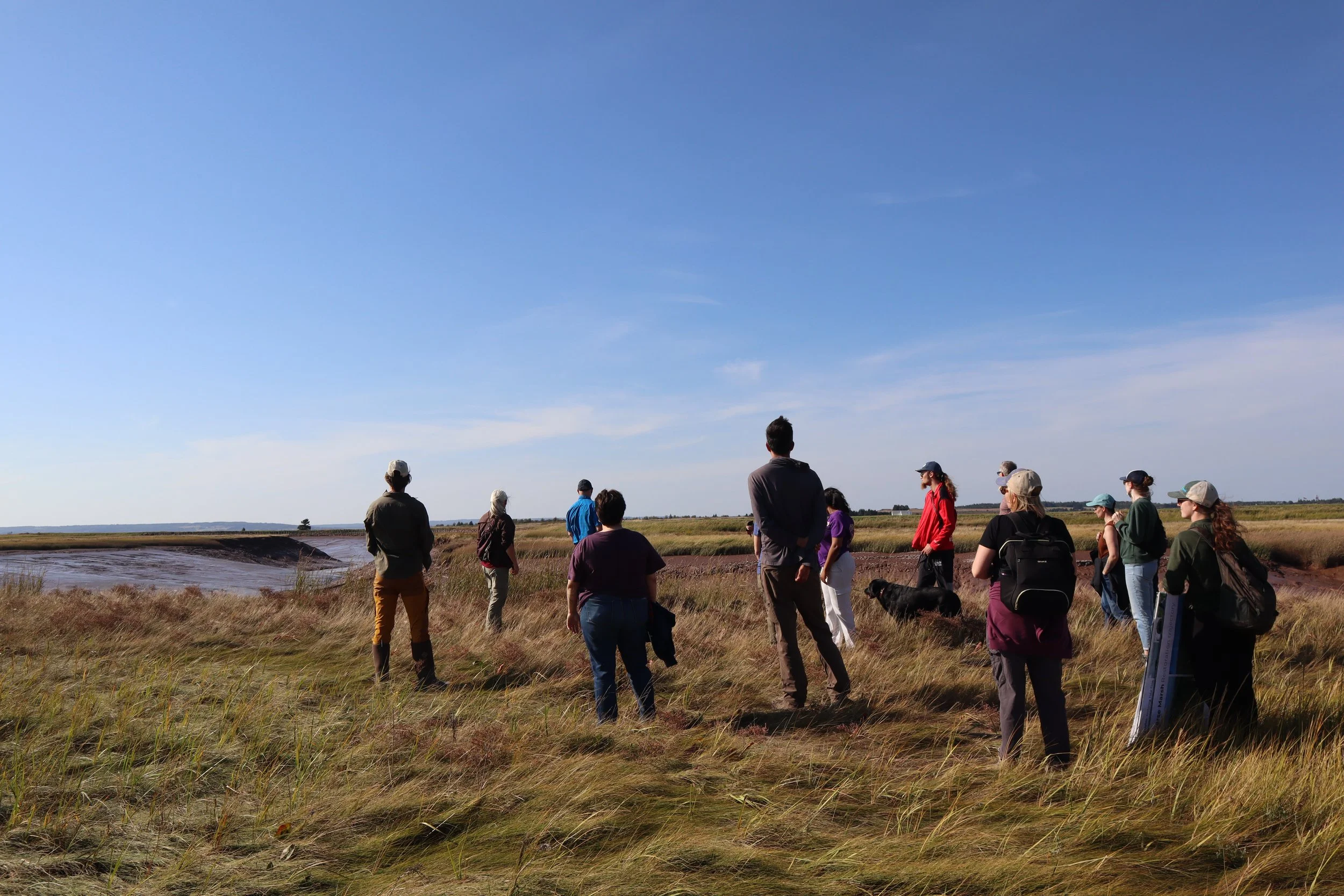
Across Nova Scotia, many dykelands are facing pressures beyond their original design. Sea levels are rising and flood events are becoming more frequent and disruptive. In some areas, the sea has sometimes completely overtopped the dykes. Events like this show that our current dyke system is under strain and that the risks to it, the communities and the landscapes that depend on it will keep growing.
Because of this, communities and government departments need a practical way to plan for longterm dykeland management—not just to the next season, but over the next few decades. The Adaptation Pathways for Dykeland Resilience (APDR) project helps do exactly that. Instead of focusing on quick short-term fixes, this project creates space to talk through what the future could look like in terms of climate change and community vision, what options we have to achieve this vision while considering how those decisions might affect people, land, and ecosystems.
This approach makes it possible to prepare for many possible futures, which is important we cannot be certain about what climate and local conditions will look like. It also helps people and groups understand where they have common goals and where they might differ. This approach also encourages flexibility, such as implementing adaptation measures in phases over time so that they can be adjusted as needed.
Why this matters
The Mi'kmaq are the Indigenous people of Nova Scotia, known for their rich cultural heritage and deep connection to their environment. They have lived in the region now known as Nova Scotia and parts of New Brunswick, New England, and Newfoundland since time immemorial.
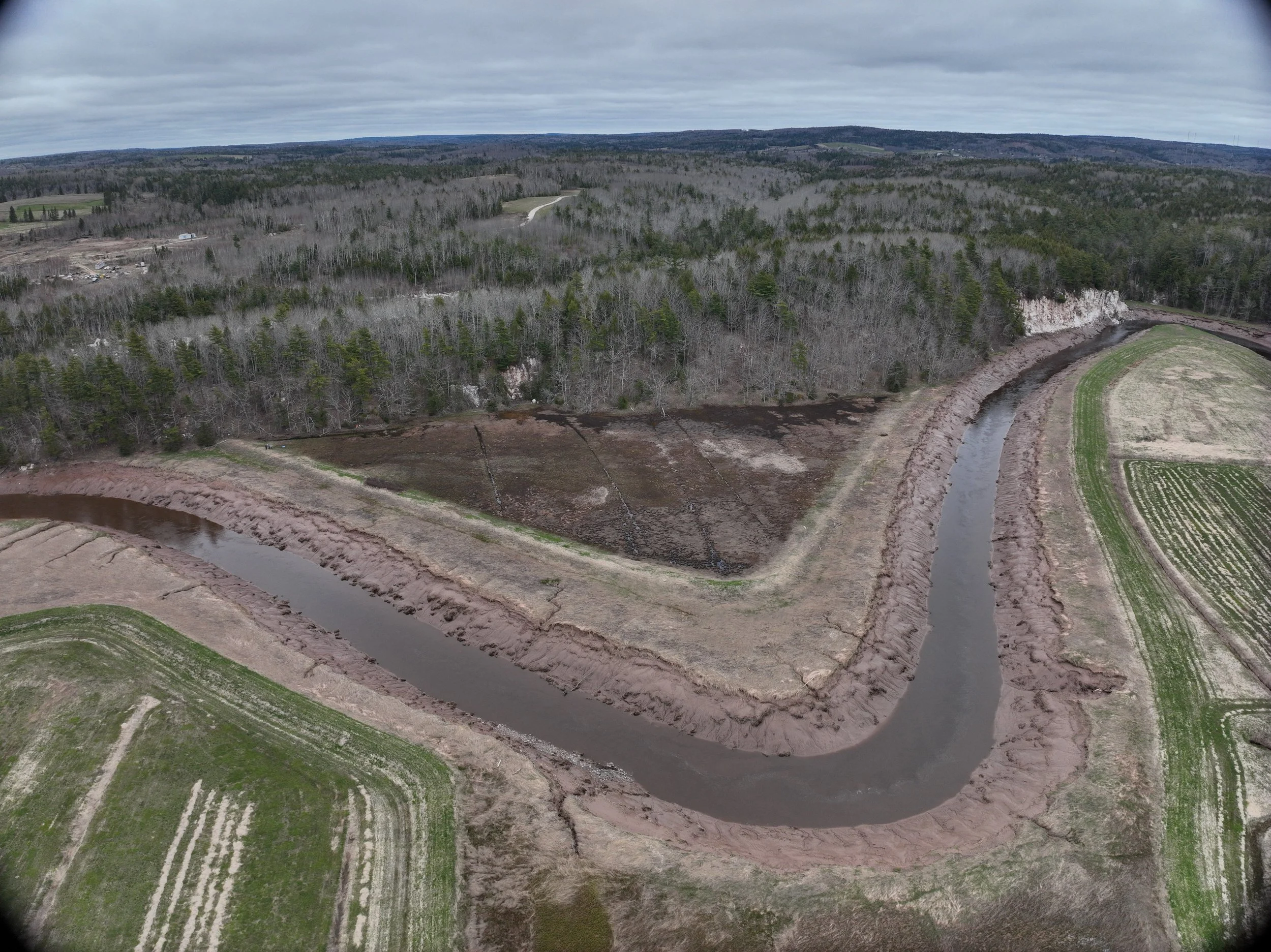
The Acadian settlers were drawn to the rich marshes of the Bay of Fundy 400 years ago. They constructed dykes: barriers constructed to keep out the ocean and create more land for agriculture. Dykelands are low, flat areas protected by dykes. These areas are important for farming, wildlife, and local communities. They are also:
Vulnerable to flooding
Shaped by multiple values (farming, nature, history, safety)
Affected by climate change in unpredictable ways
Different groups all care about dykelands, but often for different reasons. This project lets participants understand one another’s values, see the big picture instead of working separately, we must discuss these future possibilities so the community and government can prepare for future decisions before they become urgent.

What the project does
This project helps communities explore many options, such as:
keeping the dyke in place (“holding the line”)
changing the dyke’s location (“realignment”)
moving the dyke back (“managed retreat”)
We will map them out like a choose-your-own-path story.
What are adaptation pathways?
Adaptation pathways are a tool used around the world to help communities plan for uncertain futures. Pathways help us see that ahead of time, instead of in a crisis.
How we will work with communities and government
Adaptation pathways work best when created together. We will run three sessions with community members and three sessions with government groups in early 2026.
Each two-hour session will focus on:
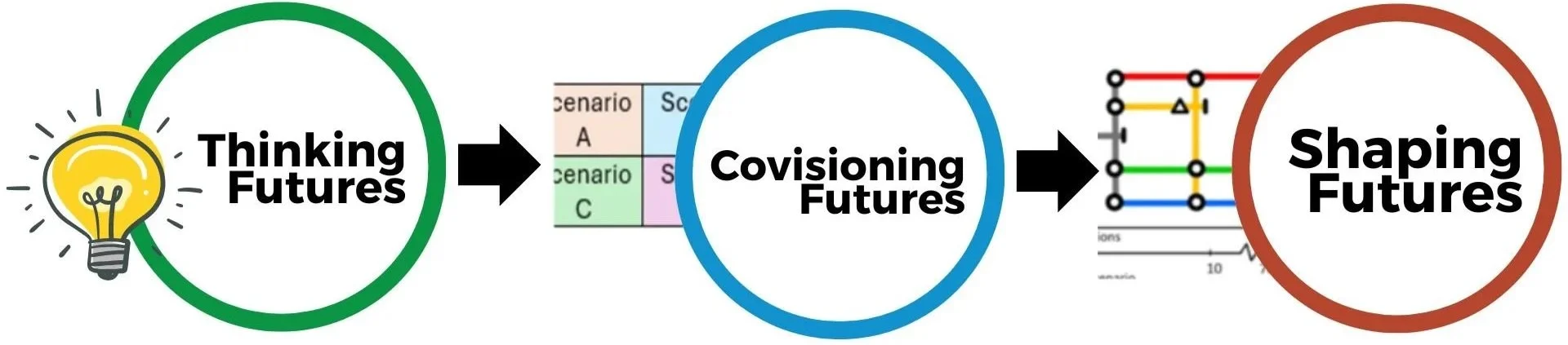
By the end, participants will have practiced exploring different futures and building pathways together.
This work is undertaken in partnership with and supported by CLIMAtlantic.

Supported by Natural Resources Canada’s Climate-Resilient Coastal Communities Program.